









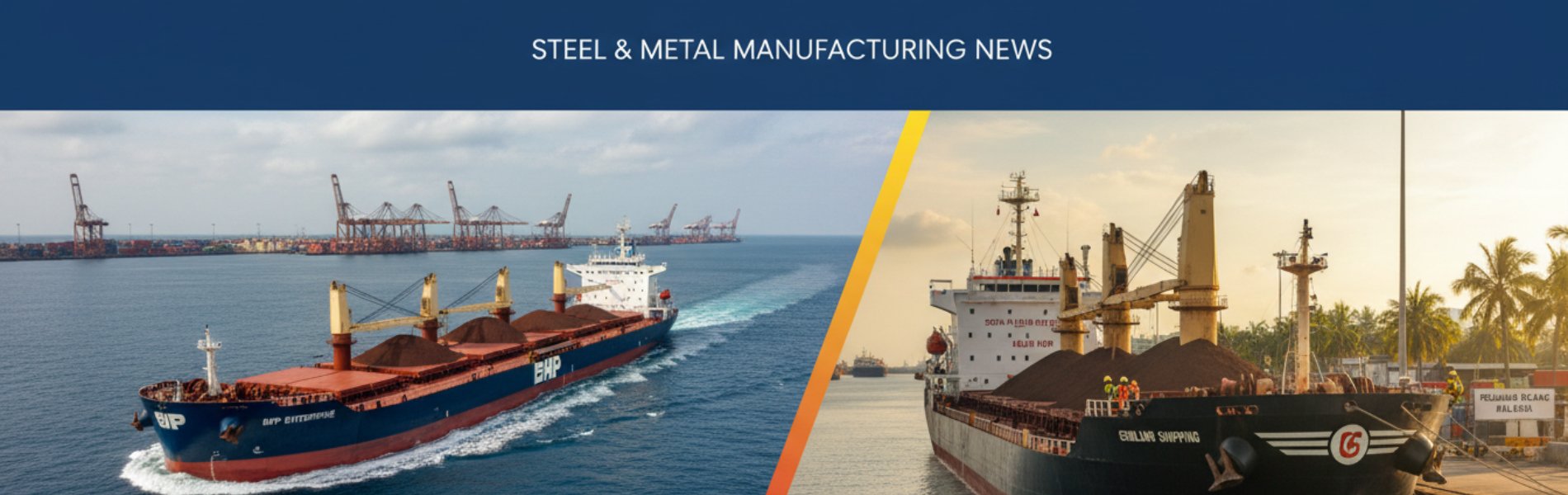
BHP Diverts Banned China Iron Ore Cargoes to Malaysia Following Port Stand-off
In a significant logistical pivot that underscores the complexities of the global commodities market, mining giant BHP has diverted multiple cargoes of iron ore intended for China to its distribution hubs in Malaysia. This move follows a prolonged stand-off at major Chinese ports, specifically regarding customs clearance protocols and material specifications. For industry observers and entities like SaudiSteelWork, this incident highlights the fragility of international supply chains and the critical importance of strategic logistics in the steel production sector.
The Caofeidian Port Stand-off: Analyzing the Disruption
The core of the disruption occurred at the Caofeidian and Jingtang ports in northern China, key entry points for raw materials feeding the country’s massive steel mills. Reports indicate that several BHP vessels faced delays due to stricter enforcement of import standards. While China typically maintains rigorous standards regarding impurity levels—specifically radioactivity and trace element limits—the recent enforcement clampdown resulted in a stalemate where cargoes were unable to discharge.
This is not merely a bureaucratic delay; it represents a tightening of environmental and quality controls by Beijing. For the global mining industry, this signals a need for higher purity benchmarks at the source. The inability to offload these cargoes created a bottleneck, forcing BHP to activate contingency protocols to avoid demurrage costs and idle vessels.
The Malaysia Solution: Blending for Compliance
Faced with the rejection or indefinite delay of these cargoes, BHP rerouted the vessels to its port facilities in Malaysia. This strategic decision leverages Malaysia not just as a transit point, but as a critical blending hub. The facility allows BHP to offload the disputed iron ore, blend it with other grades of ore to alter its chemical composition, and lower impurity concentrations to acceptable international levels.
By blending the ore, BHP can effectively “re-engineer” the raw material to meet the specific import criteria of China or redirect the newly blended product to other markets such as Vietnam, Japan, or South Korea. This capability highlights the value of intermediate logistical hubs in the modern raw materials supply chain. Without this Malaysian infrastructure, the financial impact of the rejected cargoes would have been significantly higher, potentially affecting global iron ore prices.
Global Supply Chain Ripple Effects
The diversion of these vessels has immediate and long-term implications for the freight market and steel manufacturing globally. When major suppliers like BHP alter shipping routes, it affects the availability of Capesize vessels, influencing freight rates. Furthermore, it creates short-term supply tightness in the intended destination markets.
Volatility in Commodity Pricing
While BHP has managed to mitigate a total loss, the incident introduces volatility into iron ore pricing. Buyers in China may seek alternative short-term supplies to cover the gap left by the delayed BHP cargoes, potentially driving up spot prices. Conversely, the eventual re-entry of this blended ore into the market could soften prices later in the quarter.
Implications for the Saudi Steel Industry
For SaudiSteelWork and the broader industrial sector in Saudi Arabia, this event serves as a crucial case study in supply chain resilience. As the Kingdom accelerates its industrial capabilities under Vision 2030, the demand for consistent, high-quality steel and raw materials is paramount.
The BHP incident demonstrates the risks of relying on single-point entry protocols and the necessity of flexible logistics. It reinforces the argument for diversifying raw material sourcing and developing domestic processing capabilities. For Saudi steel producers, understanding these global shifts helps in hedging against market volatility and ensuring that local infrastructure projects remain on schedule despite external shocks in the commodities market.
Strategic Takeaways for Steel Producers
The steel industry operates on thin margins where logistics efficiency is king. The diversion to Malaysia underscores three key strategies for survival and growth:
- Diversification of Supply: Relying on a single source or route is risky. SaudiSteelWork advocates for multi-regional sourcing strategies.
- Investment in Downstream Processing: The ability to blend and grade ore closer to the point of consumption (or at a neutral hub) provides immense strategic value.
- Regulatory Vigilance: Environmental standards are tightening globally. Mining companies and steel mills must anticipate regulatory shifts in major markets like China and the EU.
Conclusion
The diversion of BHP‘s iron ore cargoes to Malaysia is more than a shipping headline; it is a reflection of the evolving regulatory landscape in China and the agility required in global mining logistics. For stakeholders like SaudiSteelWork, it emphasizes the need for robust supply chain strategies that can withstand geopolitical and regulatory friction. As the global market adjusts to these new standards, agility and strategic stockpiling will remain the watchwords for the steel sector.